PARALLEL FAN-POWERED TERMINAL UNIT FDV
FDV
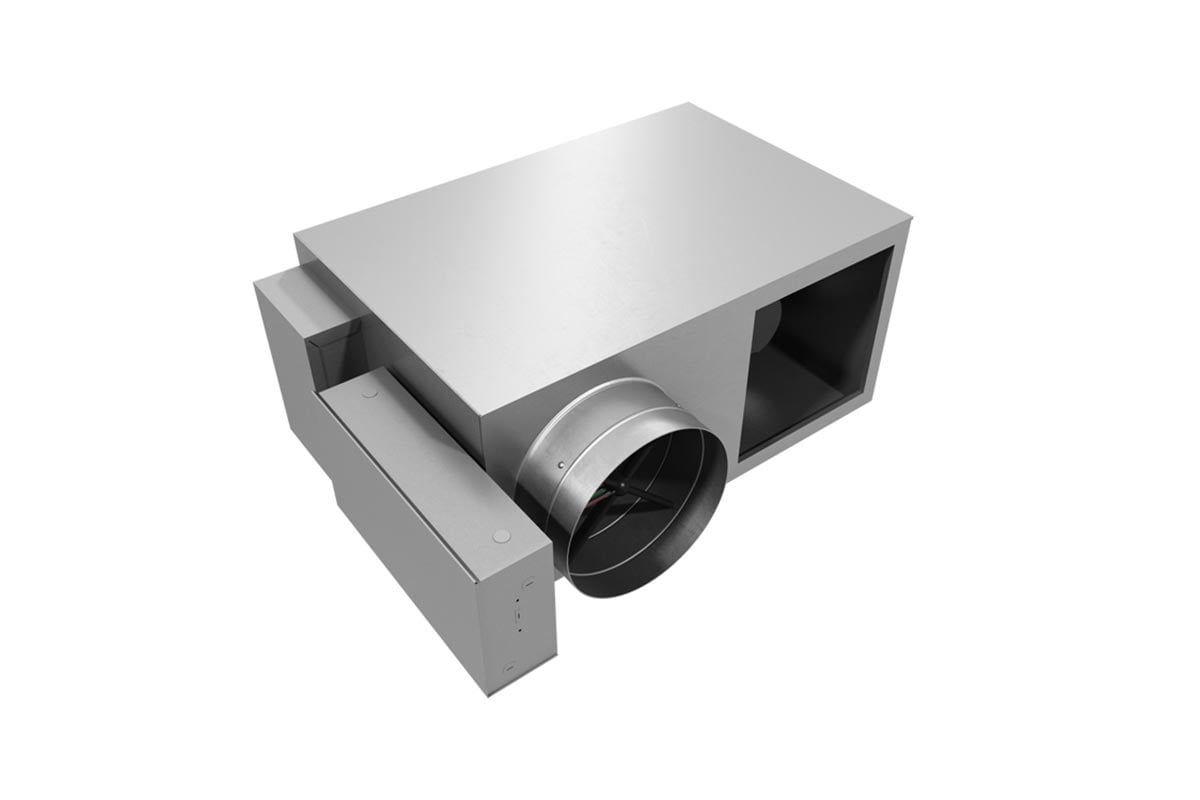
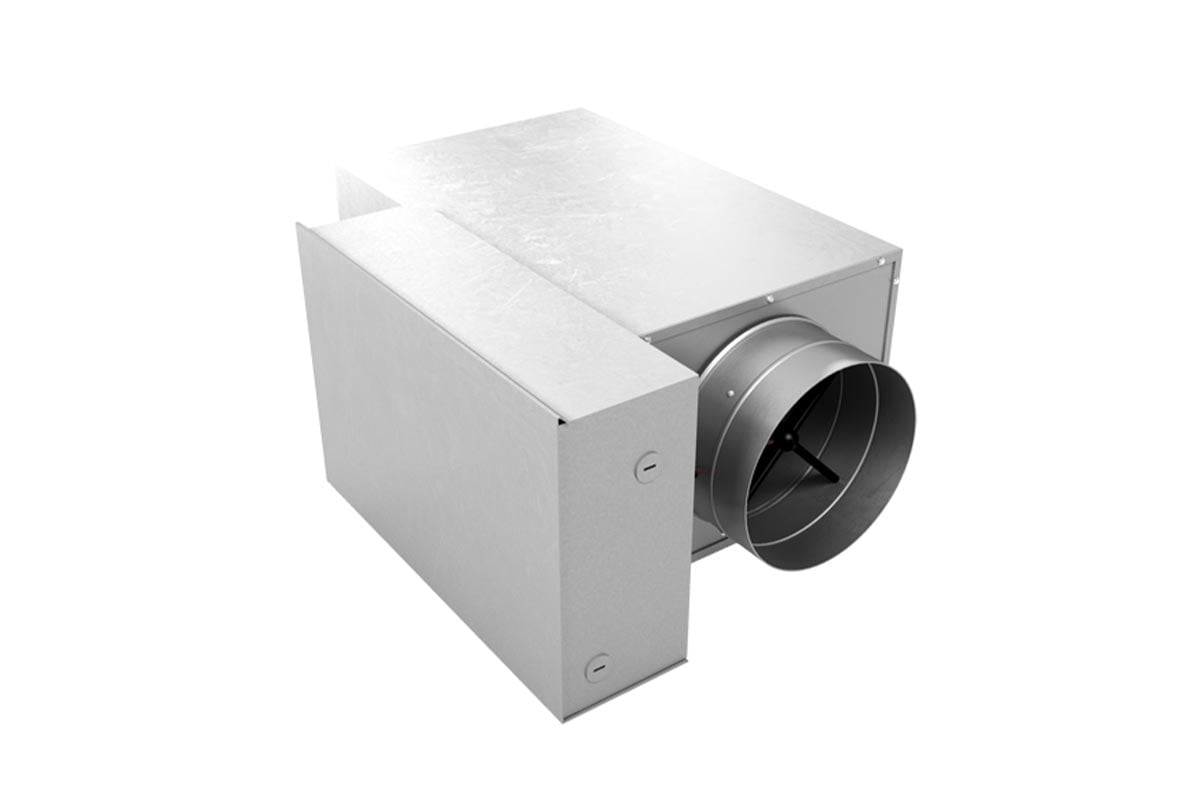
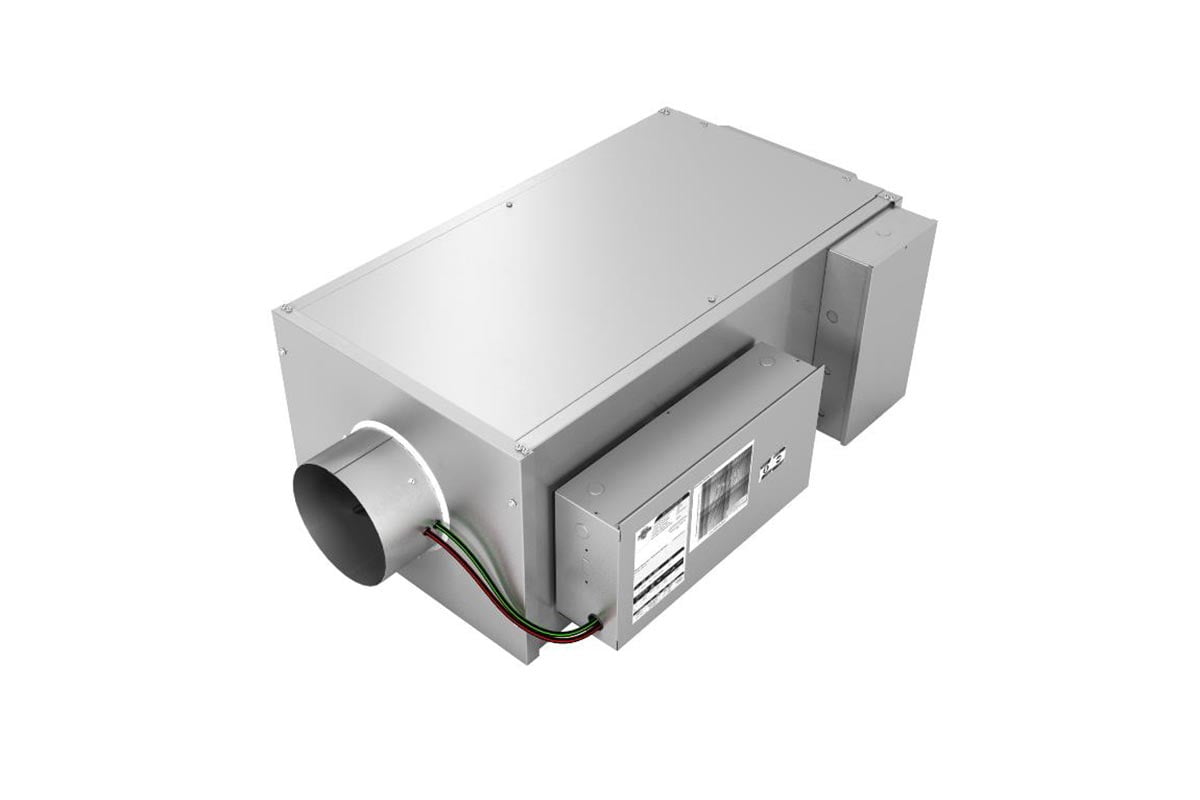
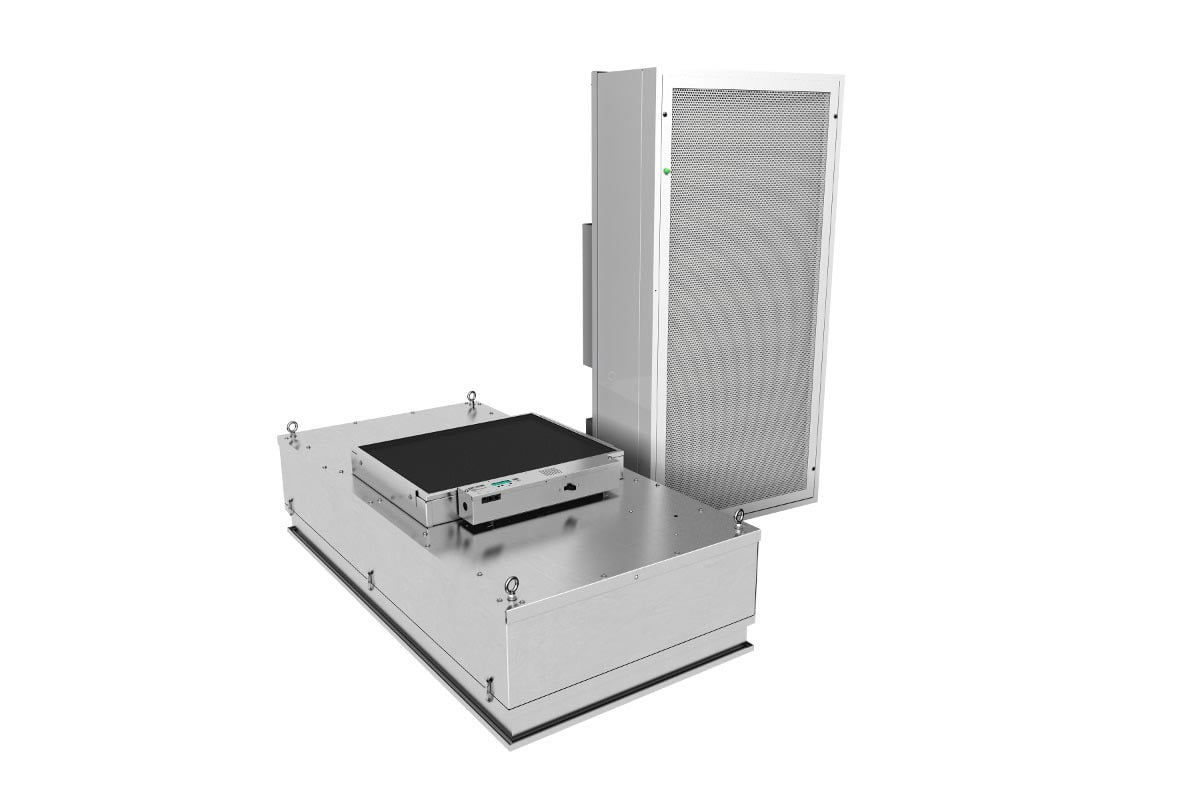
The basic unit consists of a motorized damper, flow sensor, motorized fan, and associated control equipment at the conditioned (primary) air inlet. In these units, the primary air and fan section are separated by a panel. The fan's discharge opening is connected to the primary air section with a backflow prevention damper. As accessories, heating units (water or electric type), filters, and silencers that can be used at the inlet and/or outlet are available.
Operating Principle
According to the signal received from the thermostat, the control device transmits a signal to the damper motor on the conditioned (primary) air inlet, and with this signal, the actuator motor changes the damper's opening position to ensure the necessary amount of cooling air enters the unit. The fan inside the unit only activates when heating is required, and the warm return air drawn from the plenum space and into the unit mixes with the primary air, which has decreased to a minimum value, and is then delivered to the space via diffusers. When the cooling (primary) air begins to increase, the fan deactivates, and cooling is performed in the space by increasing or decreasing the amount of air supplied. In heating mode, the primary air is at its minimum value, and the fan is operating. When the warm air in the plenum space can no longer meet the heating demand of the space, the heater activates.
General Applications
They are used as single-duct variable air volume terminal units to meet heating and cooling requirements in perimeter zones. By installing them in the plenum space in areas close to corridors, and utilizing the warm air from the plenum for heating in perimeter zones, operational economy is achieved.